A cable that matches a catalogue temperature or current figure can still fail when its braid, termination, bend radius, or installation environment is different from the advertised test setup. Use a defined requirement checklist, compare complete constructions rather than material names, and demand test evidence for the exact ordered assembly before approving a manufacturer.
Key takeaways
- Give every manufacturer the same load, environment, duty cycle, and service-life specification.
- Compare conductor, insulation, shield, sheath, and termination construction—not current rating alone.
- Demand test reports showing electrical, thermal, flex, fire, and sensor performance.
- Qualify suppliers with samples, traceability records, and evidence from comparable production runs.
Start with an application specification, not a cable catalogue
A comparable quotation starts with the installation, not a preferred cable type. Give every manufacturer one industrial cable specification that describes the load, environment, duty cycle, and required service life; otherwise a high current figure from free air will appear comparable to a lower figure calculated inside a grouped enclosure.
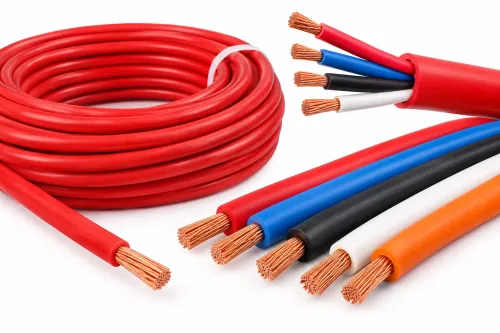
- State conductor material, cross-section, number of cores, cable length, voltage, current, and the required ampacity basis, including ambient temperature, grouping, enclosure, installation method, and derating method.
- Record the operating temperature, peak temperature, exposure duration, and continuous temperature rating. Ask whether each temperature rating applies to the complete assembly or only its conductor, insulation, braid, sheath, seal, connector, or termination.
- Describe movement, bend radius, flex cycles, vibration, abrasion, moisture, oil, chemicals, concentration, exposure time, cleaning process, and expected application life.
- Specify the insulation compound and sheath performance required for the actual damage and chemical risks, not temperature alone.
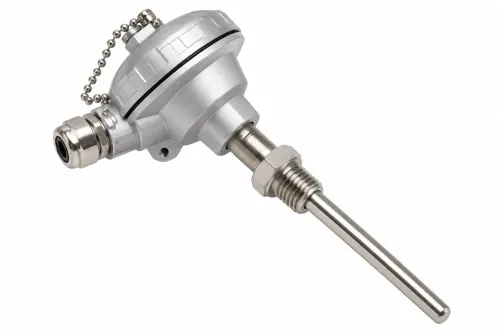
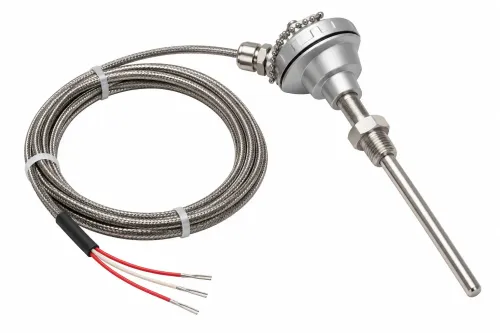
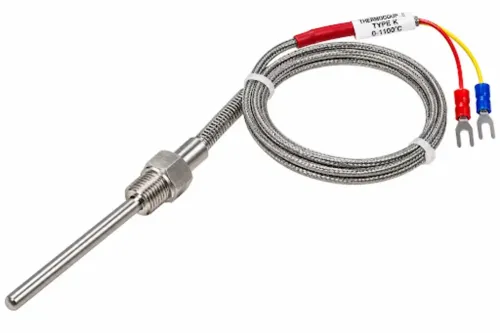
- For sensor wiring, state thermocouple type, extension or compensating grade, polarity, connector material, calibration tolerance, and the governing standard: ASTM E230/E230M or IEC 60584-1.
- State fire classification, marking, and exact product certification or listing required; ISO 9001 certification alone does not certify a cable family.
Require each quotation to show the test method, derating assumptions, construction, and guaranteed limits. A headline peak temperature can conceal a braid or termination that fails during continuous service, while “Type K” without a tolerance class cannot establish measurement accuracy.
Compare the complete construction and its trade-offs
A high-temperature conductor can still fail if its braid, sheath, seal, or terminal cannot survive the installation. Compare the complete construction against the actual current, movement, chemicals, abrasion, moisture, bend radius, and service life—not against a headline temperature.
| Option | Trade-off | Check before approval |
|---|---|---|
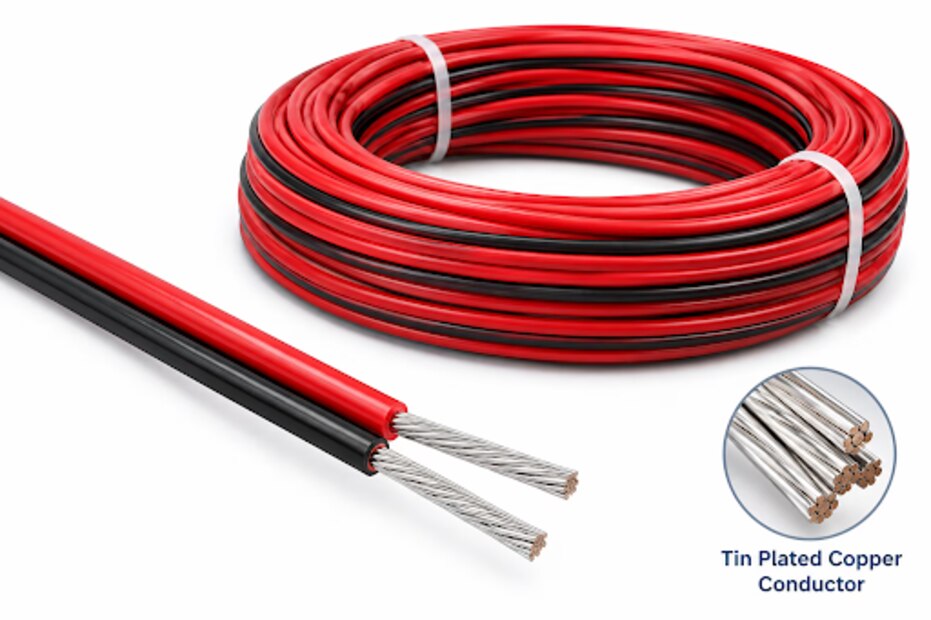
| Conductor material | Bare copper offers high conductivity and lower cost; tin-plated copper improves corrosion resistance but adds cost and termination considerations. | Specify cross-section, strand count, and conductor class. IEC 60228 conductor class 2 5 6 objects? is not a substitute for naming the required class: class 2 suits fixed installation, while classes 5 and 6 suit increasing flex duty. |
| Insulation | PTFE and FEP resist heat and chemicals; silicone stays flexible at temperature but is easier to cut. PVC costs less, while polyurethane improves abrasion resistance. | Compare the actual oil, solvent, cleaning agent, concentration, temperature, exposure time, cut-through risk, and cold-flex requirement. |
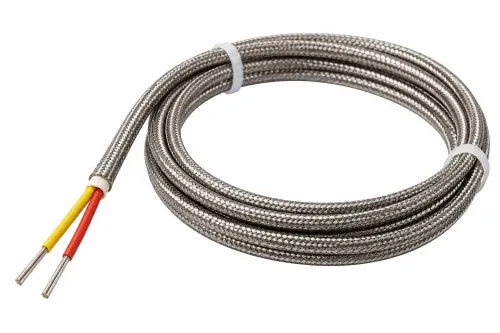
| Braid and sheath | Fiberglass braid tolerates heat but offers limited abrasion protection. Metal braid controls interference but adds weight, stiffness, and termination work; a polyurethane or fluoropolymer sheath changes those trade-offs. | Confirm shielding coverage, braid material, sheath compound, bend radius, and continuous exposure limit. |
| Termination | Crimp geometry, strip length, contact plating, backshell, potting, and bend relief determine pull-out force, insulation resistance, and shielding continuity. | Test first articles using production tooling, not loose cable alone. |
Require the manufacturer to state the rating basis and weakest component. A cable rated for 250°C in free air can have a lower assembled limit at the connector or under grouped, continuous-current installation. For sensor wiring, specify thermocouple type, polarity, extension or compensating grade, and connector material; ordinary copper can create measurement errors.
Separate headline ratings from verified electrical and thermal performance
A cable marked “200 A” is not automatically a 200 A installation. The figure may assume a particular installation method rather than your actual route; use it in a bundled cable inside a hot enclosure and overheating follows.
Require the quotation to identify the exact cable construction and rating basis. Confirm that the stated voltage rating, current capacity, insulation limits, and temperature values belong to the supplied part number, not a similar catalogue family.
- Ask for the ampacity calculation, including ambient temperature, installation method, grouping count, enclosure conditions, duty cycle, and ampacity derating method. Reject a current figure with no assumptions.
- Request a temperature limit for every limiting component, including the termination and connector assembly. Record the exposure duration; a 250°C emergency temperature rating does not replace the continuous operating temperature.
- Specify dielectric-withstand voltage and duration separately from insulation-resistance test voltage, duration, and minimum value. A passed hipot test proves resistance to breakdown during that test; it does not prove low leakage, flex life, or long-term reliability.
- Approve first-article assemblies, not loose cable alone, when assembly processing affects performance. Test samples made with production tooling and retain the report against the purchase order.
Compare the report’s part number, revision, conductor cross-section, termination details, and sample condition with the shipment. If any differs, the rating is unverified.
Match flex duty, shielding, fire performance, and sensor accuracy
Specify the movement profile, not merely “high-flex.” A drag chain cable needs a dynamic bend radius for repeated travel, while a static bend radius covers installation only; state travel length, cycle count, speed, acceleration, torsion angle, minimum radius, and test method.
| Requirement | Specify | What failure looks like |
|---|---|---|
| Flex duty | Drag chain cable, robot, festoon, or torsion duty; dynamic bend radius and life test | Conductor fatigue or sheath cracking after repeated motion |
| EMC control | Interference spectrum, grounding arrangement, shield termination, and flex duty | Shield coverage looks adequate, but noise reaches control or sensor signals |
| Fire performance | IEC 60332 flame test; IEC 60754 corrosive gases; IEC 61034 smoke density; circuit-integrity test when power or alarm service must continue | A flame-retardant cable produces excessive smoke, corrosive gas, or loses continuity |
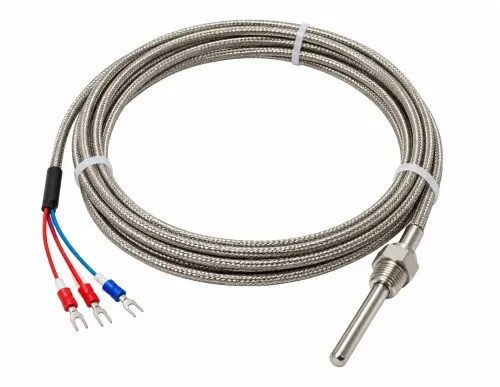
| Sensor accuracy | Sensor type, cable grade, calibration tolerance, insulation temperature, polarity, and connector material | The cable survives heat but adds measurement error |
Do not select shielding by coverage percentage alone. Foil gives strong high-frequency coverage but needs a drain wire and suits repeated flexing poorly; braid offers a lower-impedance path across wider mechanical movement, with openings and higher cost. Specify how the shield ends at each connector.
For thermocouples, identify the type and require extension or compensating grade as appropriate. Ordinary copper creates extra junctions and can materially shift the reading, even when its insulation rating is correct. If fire survival is required, name the circuit-integrity test and duration rather than accepting an IEC 60332 result as proof.
Qualify the manufacturer through samples, records, and production evidence
Do not approve a specialised cable supplier from a catalogue and a promising sample. Require evidence that the exact construction, termination, and test process can be repeated in production.
1. Request a complete qualification sample: the supplied cable assembly, connectors, backshells, braid termination, bend relief, potting, and labels. Require first article approval using production tooling and process, then record crimp geometry, strip length, contact plating, pull-out force, and visual criteria.
2. Ask for a controlled drawing, bill of materials, process flow, inspection plan, and revision history. The file should identify conductor material, insulation compound, shield, calibration wire, terminal, connector, and each approved manufacturing site.
3. Specify separate acceptance tests for dielectric withstand and insulation resistance. State test voltage, duration, limits, sample condition, and whether each test is routine or type-test only; a hipot pass does not prove adequate leakage resistance or flex life.
4. Demand lot traceability and records for raw-material certificates, production batches, test results, and calibration. Set the retention period, certificate contents, and advance-notification rule for material or factory changes.
5. Resolve ISO 9001 versus product certification before placing an order. ISO 9001 demonstrates a quality-management system; it does not certify the supplied cable to a fire, electrical, or national product standard. Request the exact certificate or listing, construction file, revision, and required marking for your part number.
Whether you assess Rewari Cable Industries or another manufacturer, reject samples that cannot be tied to controlled production records. For high-temperature assemblies, obtain the weakest component’s continuous and short-duration limits, including braid, seal, potting, termination, and connector.
Related products
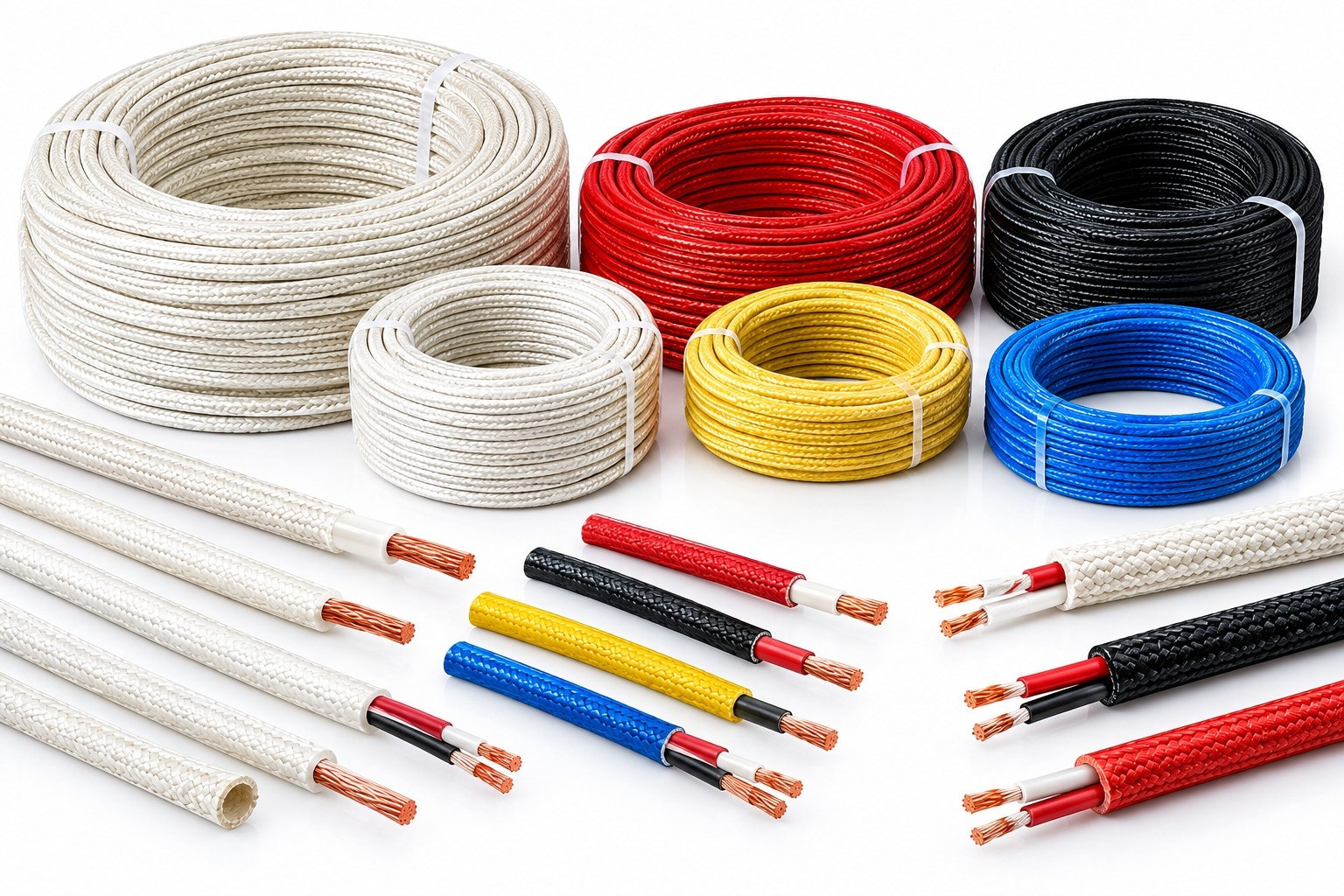 | Fiberglass Cable Rewari Cable Industries Fiberglass Cables and Fiberglass Insulated Wires are designed for electrical and industrial applications requiring... View product → |
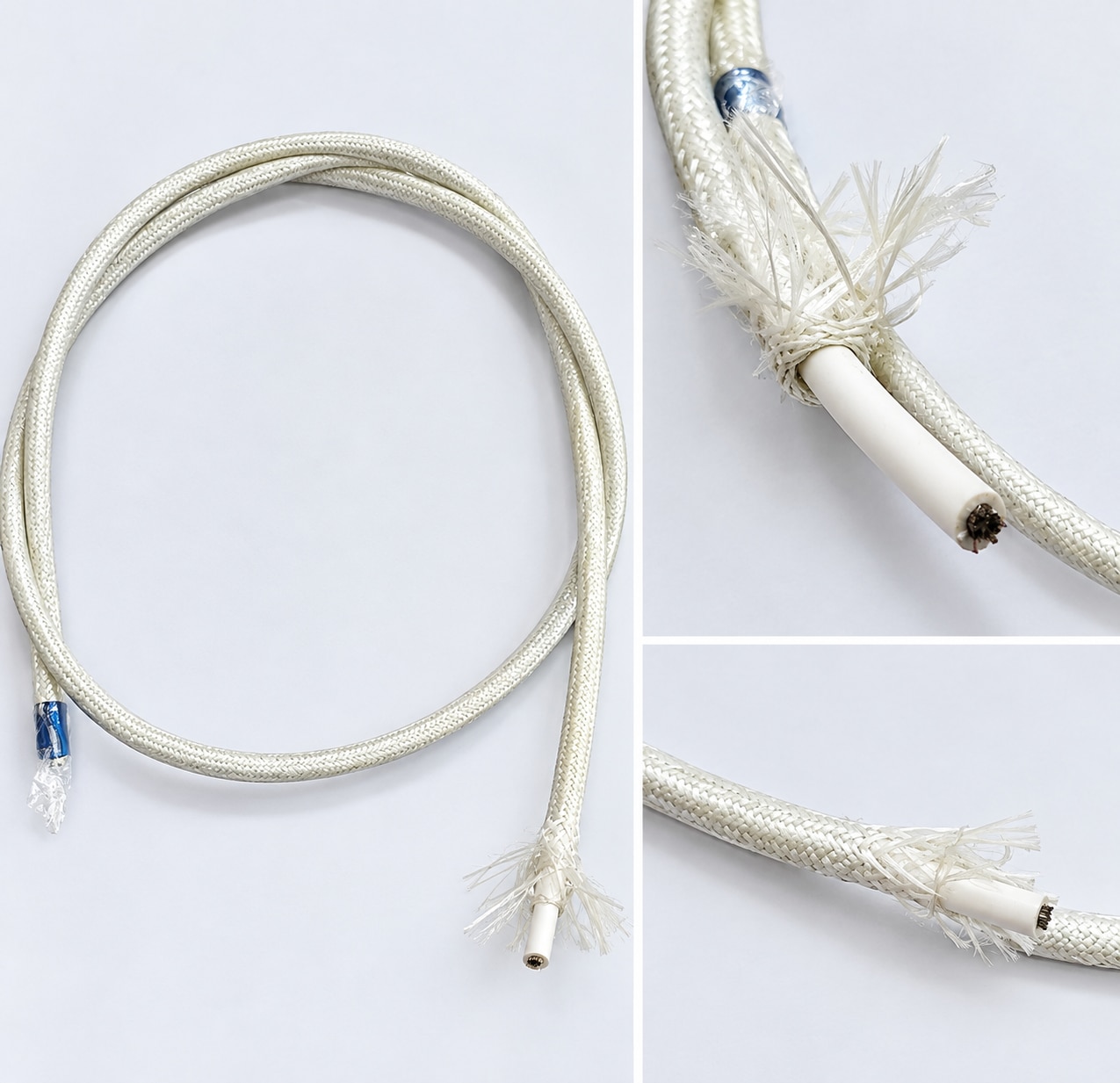 | Silicone Wire Rewari Cable Industries Silicone FG Cables are high-temperature, flexible electrical cables designed with silicone rubber insulation and fiberglass... View product → |
Frequently asked questions
What information should you give cable manufacturers before requesting quotations?
Provide the load, installation method, ambient temperature, grouping, chemical exposure, flexing pattern, duty cycle, and required service life in one application specification.
Which cable construction details should industrial buyers compare?
Compare conductor material and stranding, insulation compound and thickness, shielding, filler, armour, outer sheath, diameter, bend radius, and termination requirements.
Why should buyers question a cable's headline current or temperature rating?
Ratings depend on installation conditions such as free air, enclosure grouping, ambient temperature, conductor resistance, and allowable temperature rise. Ask for the test method and calculation basis.
How can you qualify a manufacturer for specialised wiring?
Request representative samples, dimensional and electrical test reports, material records, batch traceability, process controls, and evidence of repeatable production for similar applications.
Related products
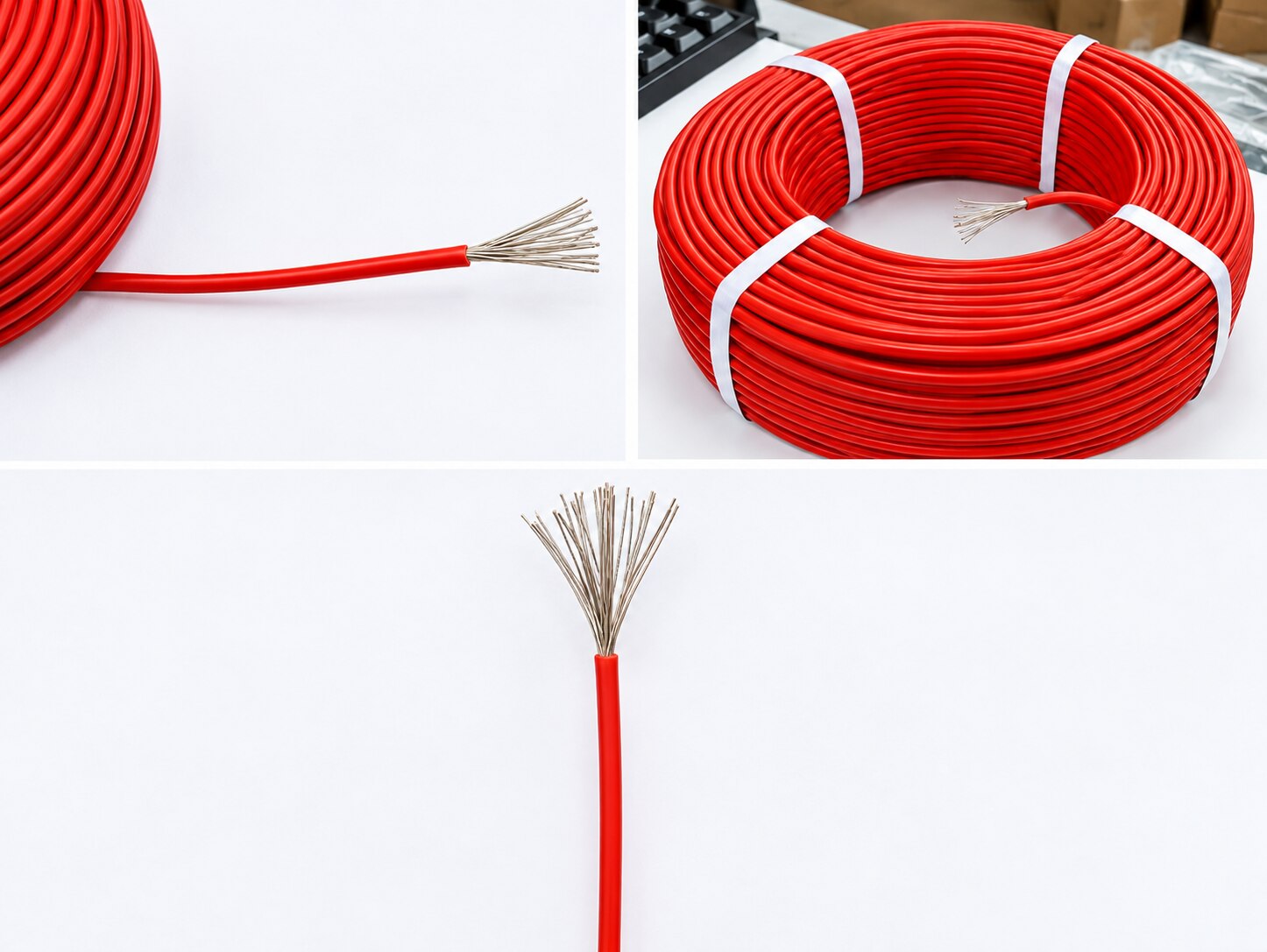 | Silicone Rubber Insulated Wires Cables Silicone Rubber Insulated Wires Cables Silicone Rubber Insulated Wires & Cables – Rewari Cable Industries Silicone Rubber Insulated Wires & Cables are specially designed for electrical and... View product → |
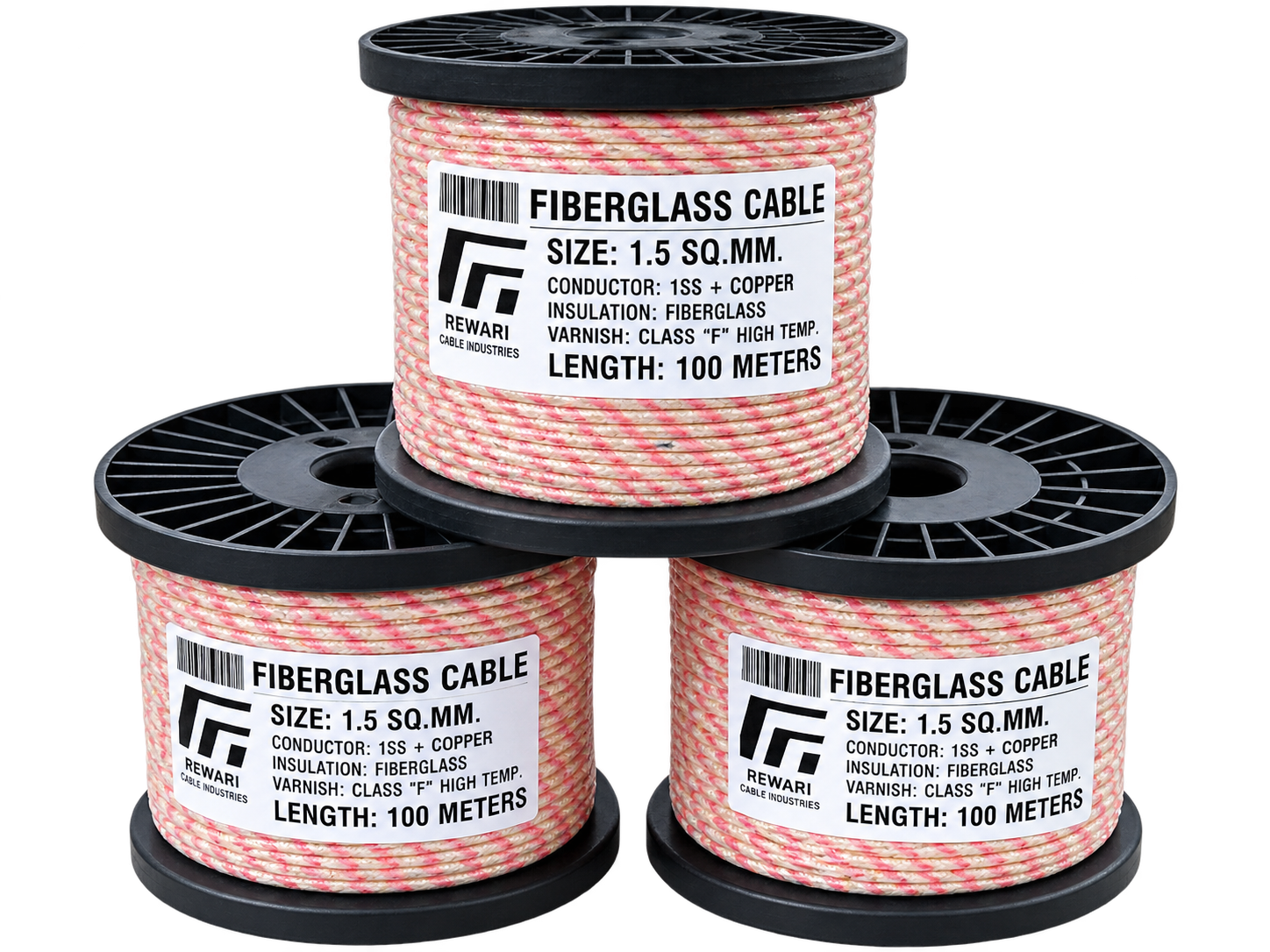 | Fibreglass Cable Rewari Cable Industries manufactures high-quality Fibreglass Cables designed for electrical applications requiring excellent heat resistance,... View product → |
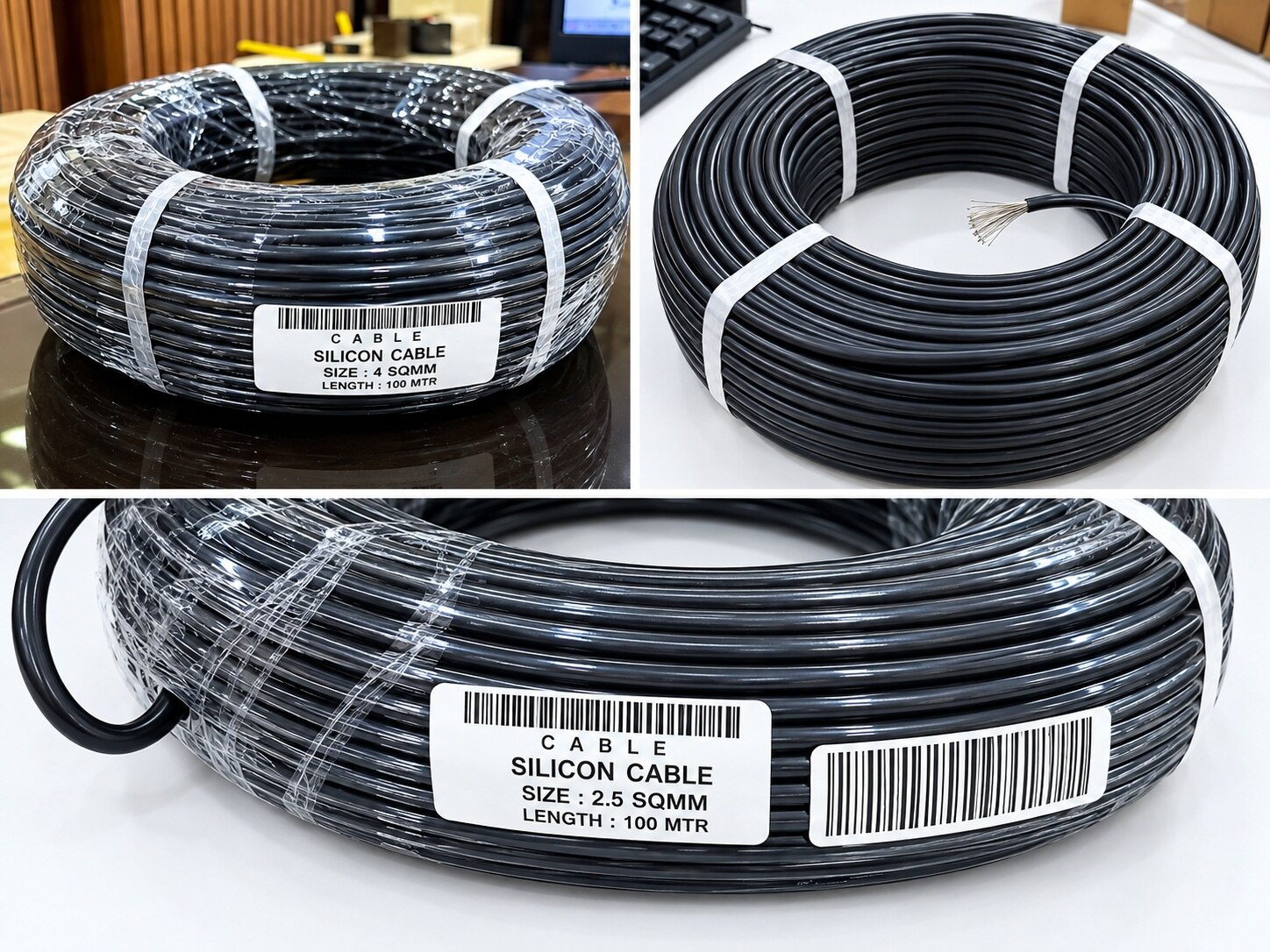 | Silicone Insulated Cables Rewari Cable Industries Silicone Insulated Cables are high-performance electrical cables designed for applications requiring high-temperature... View product → |
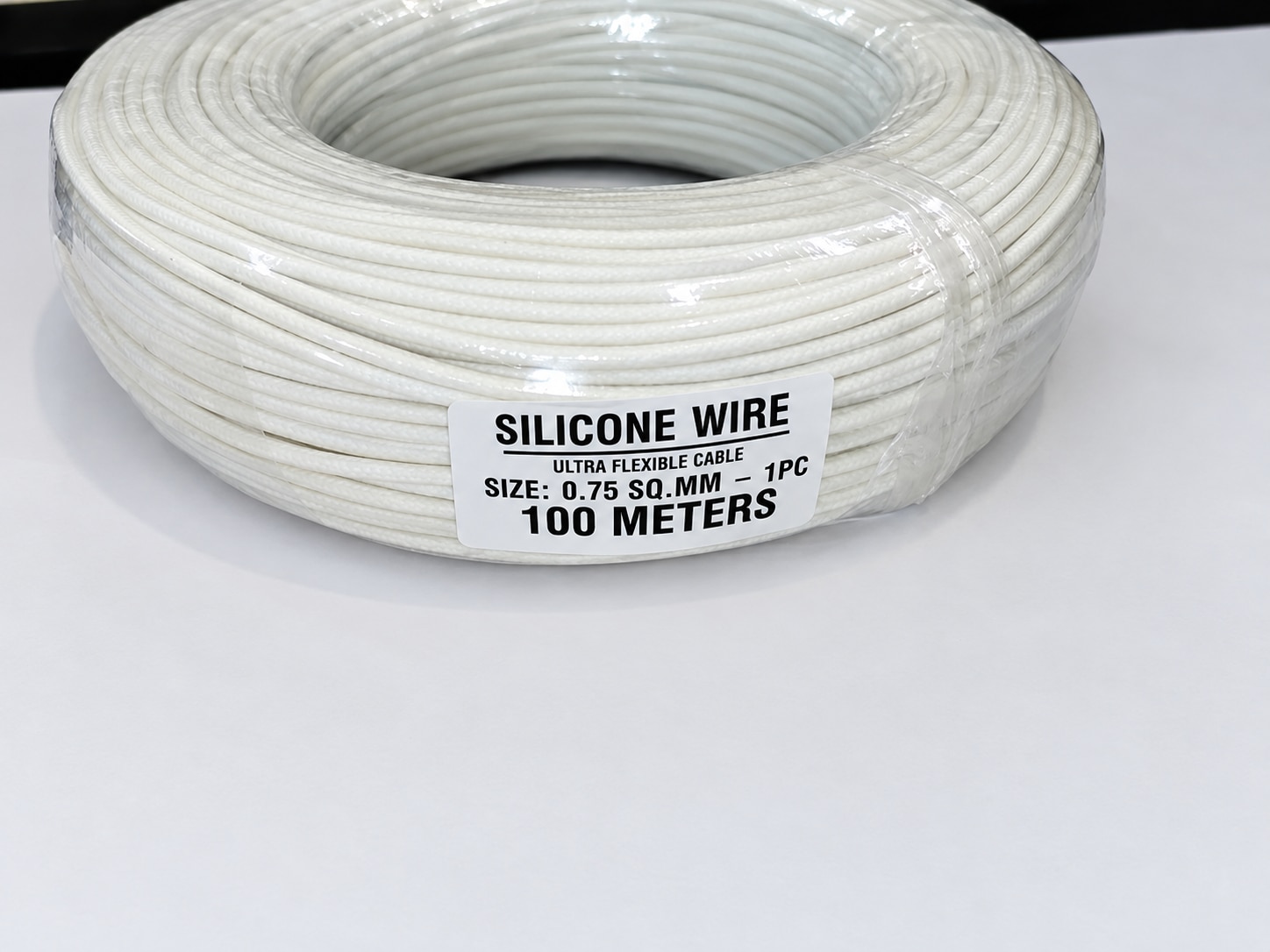 | Silicone Wire by Rewari Cable Industries is designed for applications requiring flexible, reliable and heat-resistant electrical wiring. View product → |