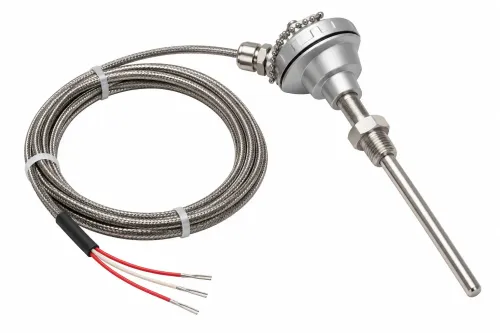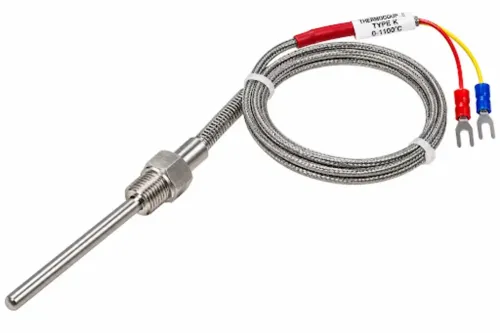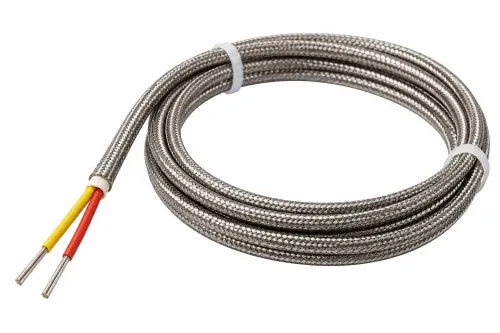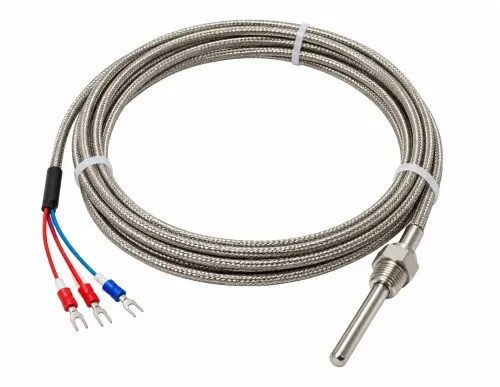
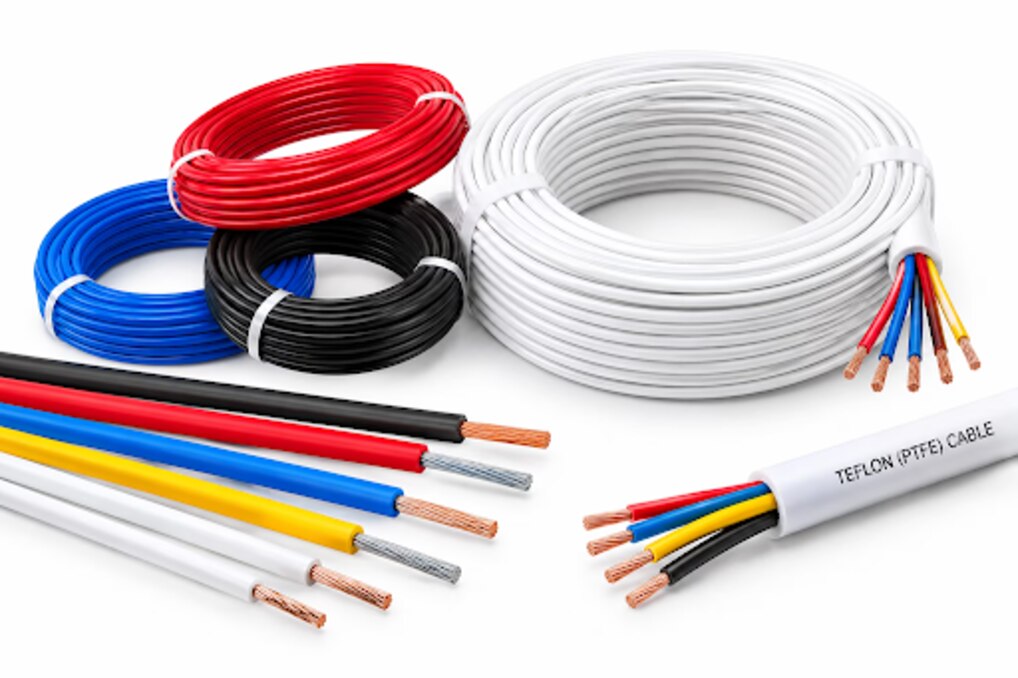
Choosing a heat- and chemical-resistant cable requires more than selecting insulation labelled “Teflon.” You will be able to compare fluoropolymer constructions, calculate the constraints that control safe operation, and specify a cable that survives installation, termination and service conditions.
Key takeaways
- Ask for the resin type, wire construction, part number and approval.
- Choose PTFE, FEP or PFA based on temperature and chemical exposure.
- Check conductor size, current, voltage and insulation limits together.
- Protect fluoropolymer insulation during routing, stripping and termination.
Specify the wire construction, not just “Teflon”
Request a complete Teflon wire specification before comparing prices or temperature claims. “Teflon” is a trademark, not a construction: ask whether the resin is PTFE, FEP, PFA, ETFE or another fluoropolymer, then record the exact part number and approval.
1. Specify the conductor material, such as bare copper, nickel-plated copper or tinned copper, plus cross-sectional area or AWG, conductor diameter and stranding class. Request strand count and the required flex-life or vibration test; a fine-stranded PTFE insulated wire bends better but needs more careful termination than a solid or coarse-stranded conductor.
2. Request the insulation wall thickness, outer diameter, minimum bend radius, tensile strength, abrasion rating and voltage rating. Confirm the complete wire style or equipment approval, including the marking printed on the actual cable, rather than accepting “PTFE insulated” as proof of compliance.
3. Demand separate continuous and short-term temperature ratings, with the test condition behind each figure. Ask for allowable current at your ambient temperature, bundling arrangement and enclosure conditions; a 200 °C insulation rating does not make a 200 °C terminal suitable.
4. Describe every chemical contact, including acid, alkali, solvent, oil or cleaning-agent name, concentration, contact time and temperature. Request compatibility evidence for that exposure instead of relying on a general chemical-resistance statement.
5. Give the terminal manufacturer and barrel part number before approving crimping. Crimp selection must match conductor material, plating, strand count and barrel geometry; excessive force cuts fine strands, while insufficient compression creates resistance and local heating. Verify the terminal’s temperature and voltage ratings separately from the cable.
Compare PTFE with FEP, PFA and non-fluoropolymer alternatives
No single insulation wins every trade-off. PTFE usually gives the strongest combination of high temperature and chemical resistance, while FEP reduces installation effort through easier processing and greater flexibility.
| Material | Temperature and chemical behaviour | Flexibility, abrasion and installation |
|---|---|---|
| PTFE | Continuous service is often around 200–260 °C, construction dependent; excellent chemical resistance and low friction | Stranded versions flex well, but the insulation can cold-flow under pressure and needs careful stripping and termination |
| FEP | Commonly rated near 200 °C; strong chemical resistance, but less high-temperature margin than PTFE | Flexible, uniform thin-wall insulation is easier to extrude, strip and route |
| PFA cable | Similar chemical resistance to PTFE, with better high-temperature mechanical performance than FEP; ratings depend on construction | Good processability and dimensional stability; choose it where heat, chemicals and mechanical handling coincide |
| ETFE wire | Lower temperature capability than PTFE, FEP or PFA, but good toughness and abrasion resistance | Useful for tight routing and repeated handling when the temperature margin is adequate |
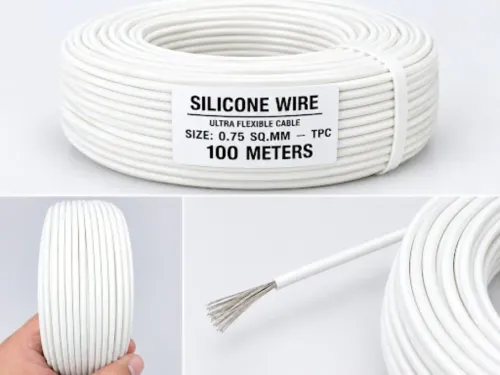
| Silicone cable insulation | Highly flexible and easy to install across a broad temperature range, but chemical, cut and abrasion resistance is weaker | Choose it for movement and bend compliance, not harsh solvent contact or sharp routing |
Select FEP for easier fabrication, PFA for a demanding chemical-and-heat combination, and ETFE for toughness below fluoropolymer high-temperature limits. Silicone cable insulation is the flexibility choice. Confirm the complete cable’s rating against temperature, chemicals, bend radius and termination pressure; resin names alone do not prove suitability.
Match the cable to temperature, current and chemical exposure
A room-temperature insulation test does not prove safety at operating temperature. Insulation resistance can fall sharply when a long cable is hot, contaminated or terminated with damaged ends, while dielectric withstand can also change.
Verify the cable against these figures and conditions:
- Record the continuous temperature rating and the short-term temperature rating, including duration and test condition. Treat a PTFE headline of 200–260 °C as a material reference, not the finished cable’s guaranteed service limit.
- Calculate cable ampacity from conductor size, resistance, ambient temperature, bundling, enclosure heat dissipation and terminal temperature ratings. A 200 °C wire cannot make a 75 °C connector safe at 200 °C.
- Confirm conductor stranding, voltage rating, insulation thickness, wire style and the approval marked against the actual part number.
- Request insulation-resistance and dielectric-withstand results at the intended operating temperature, or obtain the stated temperature-correction method.
Chemical compatibility applies to the complete assembly, not just a PTFE insulation sample. Check the reagent’s concentration, pressure, exposure time and temperature against the insulation, conductor plating, braid, filler, jacket and connector. Bulk resistance to a solvent does not rule out permeation, swelling, braid corrosion or stress-cracking in adjacent materials.
For thermocouple wiring, specify the sensor type, extension-wire grade and insulation rating separately; a cable that survives the heat does not guarantee measurement accuracy. Reject any selection whose supplier cannot identify the test basis, usable temperature range and ampacity assumptions.
Protect the insulation during routing, stripping and termination
A temperature rating will not protect insulation from a tight route or repeated movement. Specify the supplier’s static and dynamic bend-radius limits separately, then keep the cable within the correct limit during installation and operation. A small pulley or movement while hot can split thin-wall fluoropolymer insulation even when conductor temperature remains acceptable.
Use strain relief that transfers pulling force to the jacket, braid or dedicated support, rather than compressing the insulated conductor. PTFE cold flow under sustained pressure allows sharp clamps, tight cable ties and screw terminals to deform insulation, reduce dielectric spacing and create leakage paths.
Use installation controls that preserve the insulation:
- Route the cable away from sharp edges, burrs and abrasive contact points.
- Set cable ties firmly enough to control movement, never tight enough to flatten the insulation.
- Strip with a tool matched to the insulation wall; do not score PTFE with a knife or pull against the conductor.
- Inspect each stripped end for cuts, flattened sections and exposed strands before termination.
- For crimping fluoropolymer wire, match the terminal to conductor material, strand class, plating, strand count and barrel size.
A high-temperature cable termination is only safe when its terminal, sleeve and seal carry the required temperature and voltage ratings independently of the wire. Use the specified crimp height or torque, then check for conductor pullout, exposed metal and insulation trapped in the contact area. Loose compression creates resistance and local overheating.
Turn the application into a purchasing specification
Put the cable enquiry in a form that identifies the complete construction, not just “Teflon wire.” Ask a high-temperature cable manufacturer to confirm each item against the quoted part number and provide the applicable datasheet or test report.
- Insulation resin: PTFE, FEP, PFA or another named fluoropolymer; continuous and short-term temperature ratings, with the test condition behind each figure.
- Conductor: bare or tinned copper, cross-sectional area, voltage rating, conductor class, strand count and required flex-life or vibration test.
- Electrical limits: resistance per metre, ampacity calculation, insulation-wall thickness and minimum insulation resistance.
- Mechanical dimensions: finished outer diameter, minimum bend radius, tensile requirement and abrasion test or rating.
- Environment: named chemicals, concentration, exposure temperature, immersion time, oils, solvents and cleaning agents. Request compatibility evidence for the actual combination.
- Compliance: exact UL wire style, marking, flammability test, CSA approval if needed, and the exact IEC cable standard and edition.
- Sensor service: thermocouple type, alloy pair, polarity, extension-wire grade, junction construction and required accuracy. Specify the cable’s insulation rating separately from the sensor’s measurement limit, and reference ASTM E230/E230M where applicable.
Rewari Cable Industries can be asked to quote against this schedule rather than a generic PTFE description. Reject a quotation that gives only an AWG size and temperature claim; it leaves connector ratings, current capacity and traceable construction unresolved.
Related products
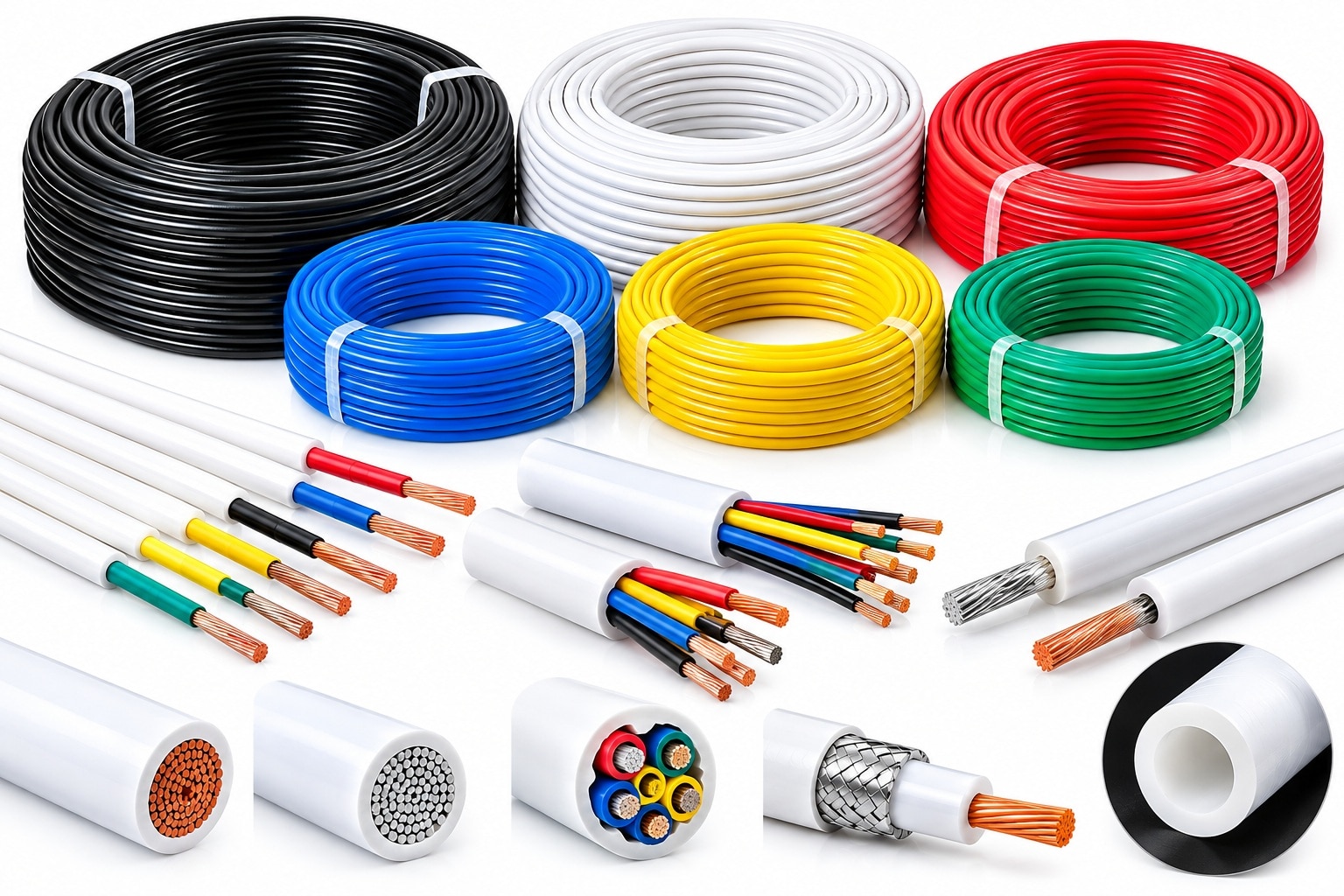 | PTFE Teflon Cable Rewari Cable Industries offers PTFE Teflon Cables designed for electrical wiring and industrial applications where high-temperature performance,... View product → |
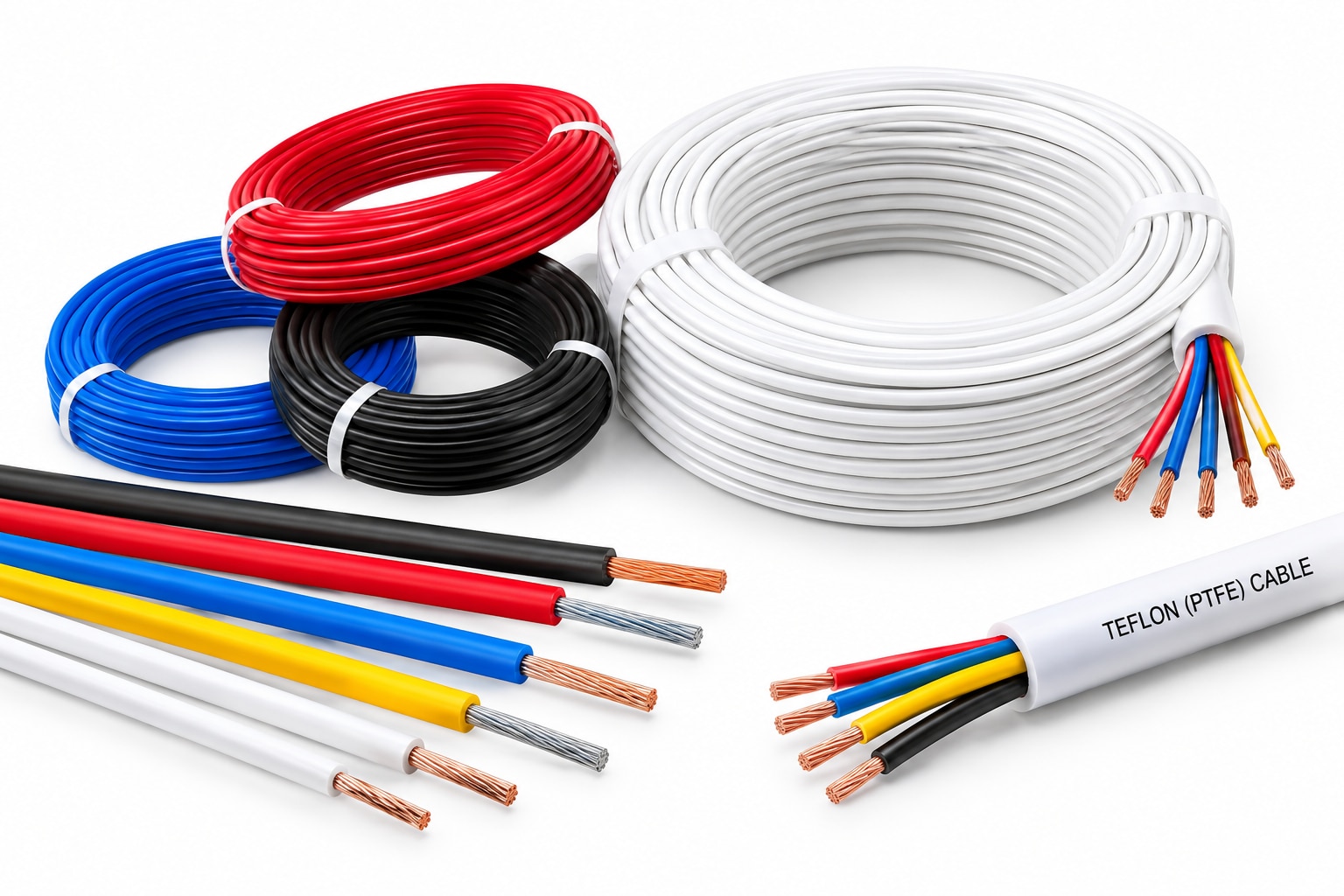 | Teflon Cables Rewari Cable Industries manufactures and supplies high-performance Teflon (PTFE) Cables designed for electrical and industrial applications where... View product → |
Frequently asked questions
Why is “Teflon” insufficient when specifying wire?
Teflon is a trademark, not a complete construction. Request the fluoropolymer resin, conductor material and size, insulation thickness, temperature rating, part number and approval.
How do PTFE, FEP and PFA wiring differ?
PTFE handles high temperatures and broad chemical exposure, FEP offers melt-processable insulation with strong chemical resistance, and PFA combines high-temperature performance with greater flexibility than PTFE in many constructions. Confirm the manufacturer’s rating for your application.
How do you match cable to an industrial application?
Check continuous and peak temperature, conductor current, voltage, flexing, chemical contact and installation environment. Use the lowest temperature rating that still covers the complete operating range, including heat from nearby components.
How can you prevent damage during installation?
Respect the cable’s bend radius, use the correct stripping tool, avoid nicking the insulation, control pulling force and select terminals designed for the conductor and insulation diameter.
What should a purchasing specification include?
State the resin, conductor metal and cross-sectional area or AWG, strand construction, insulation thickness, voltage and temperature ratings, colour, shielding, length, approval, test requirements and delivery documentation.
Related product
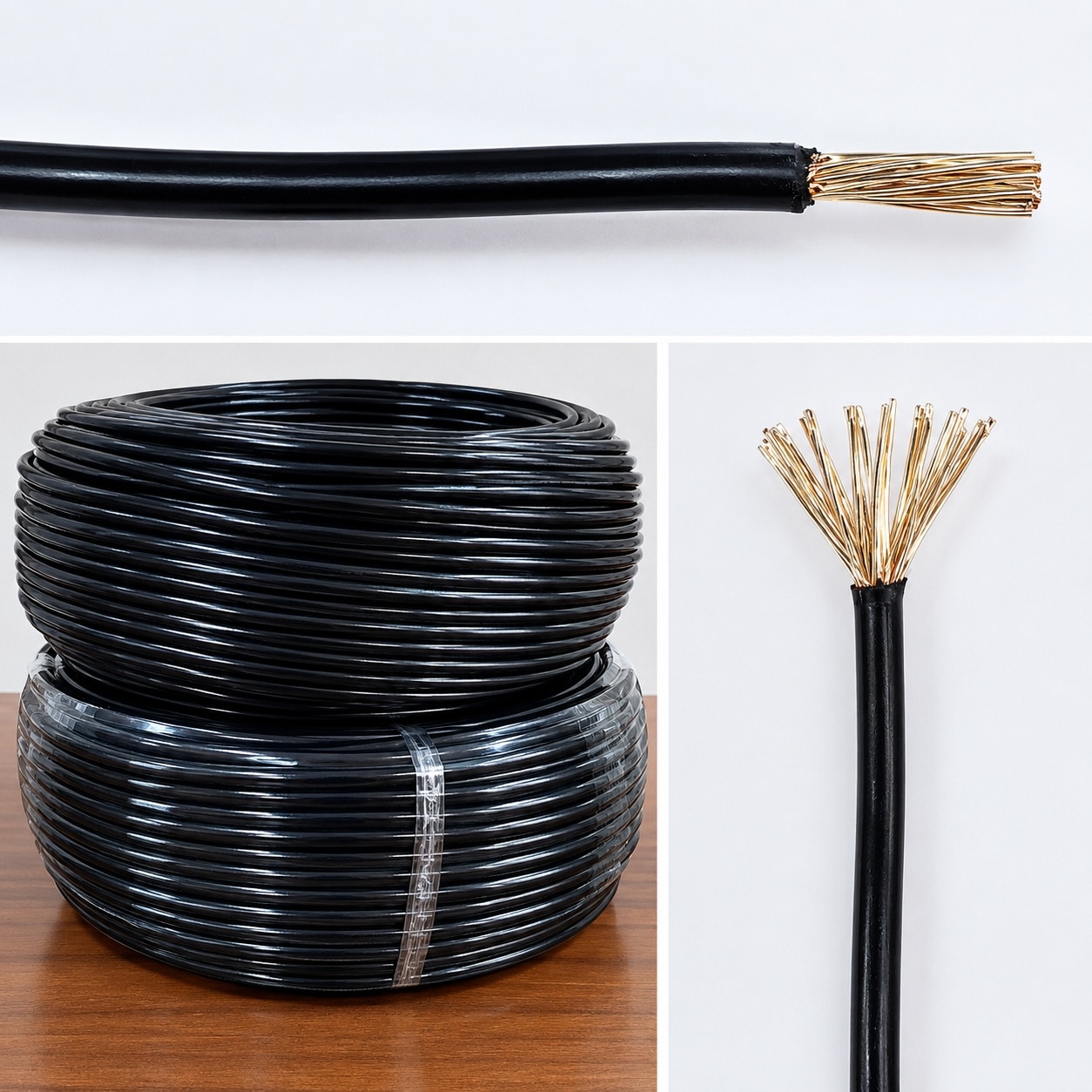 | Silicon Teflon Coated Wire Rewari Cable Industries Teflon Coated Wire, commonly known as PTFE Wire, is a high-performance electrical wire designed for applications that demand... View product → |